

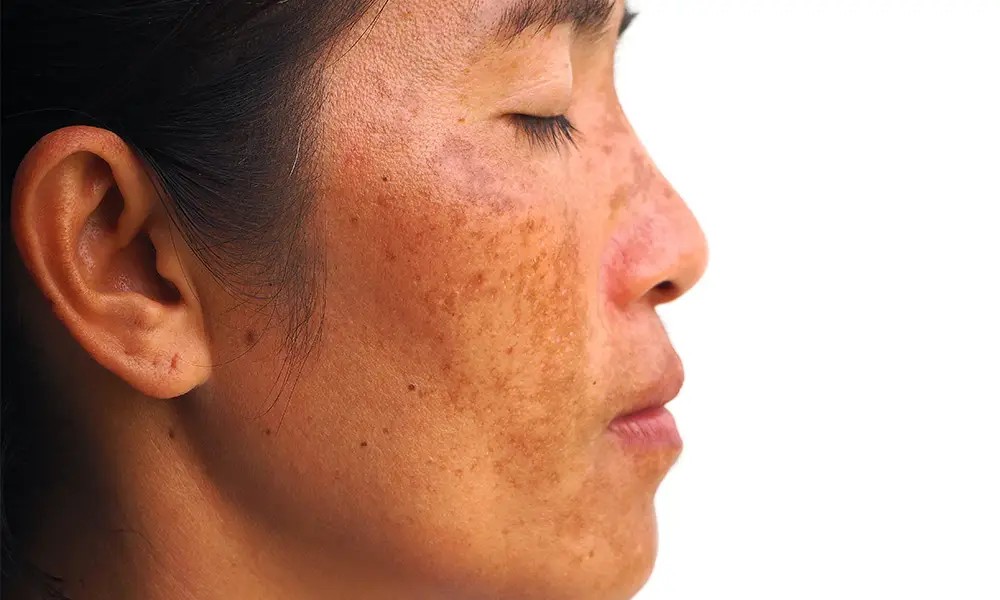
Sudden skin pigmentation can be distressing, especially when it appears without warning. Across Cornwall, dermatology clinics increasingly report patients seeking answers for unexpected dark patches, uneven tone, or facial discoloration. While environmental factors like sun exposure play a role, hormonal fluctuations are among the most powerful internal triggers.
Understanding how hormones influence pigmentation can help individuals in Cornwall recognise early warning signs and seek appropriate care.
Understanding How Hormones Affect Skin Colour
Skin pigmentation mainly depends on melanin, the pigment produced by melanocytes. When certain hormones fluctuate, they can stimulate these cells to produce excess melanin, leading to dark patches or uneven skin tone.
Hormonal pigmentation is often seen in conditions such as melasma, which develops when melanocytes become overactive due to internal triggers combined with external factors like sunlight.
In Cornwall’s coastal climate, where UV exposure can fluctuate throughout the year, hormonal pigmentation can appear suddenly or worsen quickly.
Key Hormones Linked to Sudden Pigmentation
Estrogen and Progesterone
- These are the most common hormones linked to sudden pigmentation changes.
- Increase melanin production when levels fluctuate
- Common during pregnancy, menopause, or contraceptive use
- Often linked to melasma or “mask-like” facial pigmentation
Higher levels of estrogen and progesterone can directly stimulate melanocytes, particularly when combined with UV exposure. Pregnancy-related hormonal increases are a well-known cause of melasma, which can appear rapidly. Across Cornwall, this is often seen in adults experiencing life-stage hormonal shifts.
Cortisol (The Stress Hormone)
- Chronic stress can trigger pigmentation through indirect pathways.
- Raises inflammation levels
- Disrupts estrogen balance
- Increases oxidative stress in skin
Elevated cortisol may worsen melasma and trigger pigment overproduction, particularly during long-term stress. With modern work pressures affecting residents across Cornwall, stress-related pigmentation is becoming more recognised.
Thyroid Hormones
- Thyroid imbalance can silently affect skin tone.
- Linked to melasma risk
- Alters metabolic and skin repair processes
- May cause diffuse or patchy pigmentation
Thyroid disorders are associated with increased risk of pigmentation disorders, including melasma. Early testing is important if sudden pigmentation appears without obvious cause.
Pituitary and Melanocyte-Stimulating Hormone (MSH)
- Certain endocrine conditions directly increase pigment production.
- MSH directly increases melanin synthesis
- Seen in conditions like Addison’s disease
- Causes generalised skin darkening
In adrenal hormone deficiency, increased ACTH and MSH stimulate melanin production, leading to visible hyperpigmentation. Though rare, medical causes must be ruled out in Cornwall patients with widespread darkening.
Hormonal Conditions That Can Trigger Pigmentation
Several medical or physiological states can cause sudden pigmentation changes:
- Pregnancy and postpartum hormone shifts
- Polycystic Ovary Syndrome (PCOS)
- Menopause-related estrogen decline
- Hormone replacement therapy
- Oral contraceptive use
Why Pigmentation Sometimes Appears Suddenly
Hormonal pigmentation often appears quickly because:
- Hormones can change rapidly
- UV exposure amplifies hormonal effects
- Genetic predisposition increases sensitivity
- Inflammation or stress lowers skin tolerance
Hyperpigmentation develops when melanin production rises beyond normal levels due to combined internal and external triggers. Residents living along Cornwall’s coastline may experience seasonal UV exposure that worsens hormone-related pigmentation.
When to Seek Medical Advice in Cornwall
Professional evaluation is important if pigmentation:
Prevention and Hormonal Balance Support
People across Cornwall can reduce risk by:
- Using broad-spectrum sunscreen daily
- Managing chronic stress levels
- Monitoring hormonal health
- Avoiding unnecessary skin irritation
Final Words
Sudden skin pigmentation is rarely random. In many cases across Cornwall, it reflects deeper hormonal shifts interacting with environmental exposure. Estrogen, progesterone, cortisol, thyroid hormones, and pituitary signals all play roles in regulating melanin production. Recognising these triggers allows earlier intervention, better skin outcomes, and improved overall health awareness.
Understanding the hormonal link empowers individuals in Cornwall to move beyond cosmetic concerns and focus on underlying health balance.