

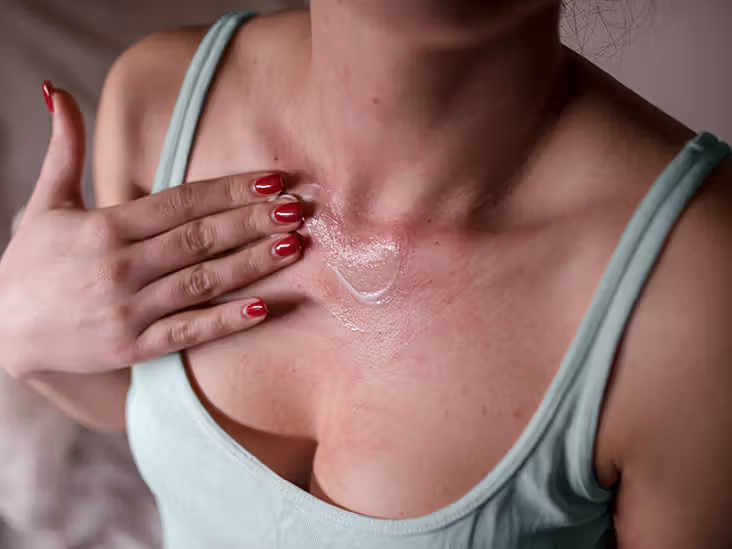
“Stress red spots on face“ are a physical manifestation of your nervous system reacting to high cortisol levels. This can trigger “stress hives” or a flare-up of existing conditions like rosacea or eczema. When stressed, your skin becomes more permeable and sensitive, making it react to products or environments that usually don’t bother you. Gentle, fragrance-free skincare and deep-breathing exercises are the best immediate treatments.
When you’re under stress, your body releases cortisol and adrenaline. These hormones trigger inflammation, increase oil production, and cause blood vessels to dilate – all of which can lead to visible redness, spots, and breakouts on the face.
Types of Red Spots That Stress Can Cause or Worsen
| Type | What It Looks Like | Why Stress Makes It Worse |
| Stress Acne | Red pimples, often around jaw and chin | Cortisol spikes sebum (oil) production |
| Flushing / Redness | Widespread redness, feels warm | Adrenaline dilates blood vessels |
| Stress Rash (Hives) | Raised, itchy red welts | Immune response releases histamine |
| Rosacea Flare | Persistent redness, sometimes visible vessels | Stress is a known rosacea trigger |
| Eczema Flare | Red, itchy, dry patches | Stress weakens the skin’s barrier function |
| Perioral Dermatitis | Red bumps around the mouth | Often worsens with psychological stress |
The Science: How Does Stress Actually Cause Skin Reactions?
The skin-brain connection is mediated through several pathways:
- Cortisol (stress hormone) increases sebaceous gland activity – more oil means more clogged pores and breakouts
- Cortisol also suppresses the immune system, making the skin less able to fight off acne-causing bacteria
- Stress triggers the release of substance P, a neuropeptide that causes inflammation and redness in the skin
- Adrenaline causes blood vessels to dilate, leading to flushing and increased skin sensitivity
- Chronic stress degrades the skin’s protective barrier, making it more reactive to everyday irritants
How to Tell If Your Red Spots Are Stress-Related
Consider the timing. Ask yourself:
- Did the spots appear or worsen during a particularly stressful week?
- Do they tend to clear up when you’re on holiday or relaxed?
- Are they recurring around exam periods, deadlines, or relationship stress?
- Do you also notice other stress symptoms – poor sleep, tension headaches, digestive issues – at the same time?
A clear correlation between stress levels and skin flares strongly suggests stress is a trigger, even if it’s not the sole cause.
Skincare Strategies That Help During Stressful Periods
| Strategy | Why It Helps |
| Simplify your routine | Stressed skin is more reactive – fewer products means fewer potential irritants |
| Use a gentle, fragrance-free cleanser | Avoids stripping the already-compromised skin barrier |
| Add a ceramide-based moisturizer | Strengthens the skin barrier against stress-related breakdown |
| Use niacinamide (B3) serum | Reduces redness, regulates oil, and soothes inflammation |
| SPF daily, even indoors | Sun exposure worsens stress-related redness and rosacea |
| Avoid touching your face | Stress often makes people unconsciously pick at skin |
What to Do If a Stress Rash Appears Suddenly
Stress hives (urticaria) can appear quite suddenly – sometimes within an hour of intense stress. They look like raised red or skin-colored welts that may move around and are usually very itchy.
- An over-the-counter antihistamine (like cetirizine or loratadine) can reduce itching and swelling
- A cool compress on the affected area provides immediate relief
- Avoid heat – hot showers, exercise, or being in a warm room will make hives worse
- The rash usually resolves within 24-48 hours as cortisol levels drop
If hives are accompanied by throat tightness, difficulty breathing, or swelling of the tongue – this is a medical emergency requiring immediate attention.
Treating the Root Cause: Managing Stress
No skincare product fixes stress-related skin problems if the stress isn’t addressed. Some approaches that have evidence behind them:
- Regular physical exercise – reduces cortisol levels significantly
- Consistent sleep (7-9 hours) – skin repairs itself primarily during sleep
- Mindfulness or meditation – even 10 minutes a day has measurable effects on cortisol
- Reducing caffeine – high caffeine intake amplifies the cortisol stress response
- Talking to someone – therapy or counseling addresses the underlying stress patterns
When to See a Dermatologist
If red spots on your face are persistent, spreading, very painful, or accompanied by other symptoms, a dermatologist can determine whether you’re dealing with stress-triggered skin issues or something that needs a different diagnosis entirely. Rosacea, lupus, allergic reactions, and seborrheic dermatitis can all cause facial redness and are treated differently.
The Bottom Line
Stress red spots on your face are real, common, and biologically explained. Your body’s stress response directly affects your skin through hormones and inflammatory pathways. Managing your skincare routine during high-stress periods – keeping it simple, barrier-supportive, and anti-inflammatory – helps. But the most effective long-term solution is always addressing the stress itself.