

An abdominal or stomach hernia often develops when a fatty tissue or organ squeezes through weakness areas within the stomach walls. There are many reasons such as lifting heavy weight, pregnancy, ageing, long-term surgical causes as well as elevated intra-abdominal pressure. All these can cause an incarcerated abdominal wall hernia.
Many users actually wonder whether they should use a belt for an abdominal hernia or undergo surgery after being diagnosed with the condition. Both the options are actually designed for different purposes. A stomach hernia belt manages symptoms for a while, whereas surgery is the only way that helps to solve the underlying issue.
In this blog, we will understand about stomach hernia belts and surgery and help you understand which option may be suitable depending on your condition.
What Is a Stomach Hernia Belt?
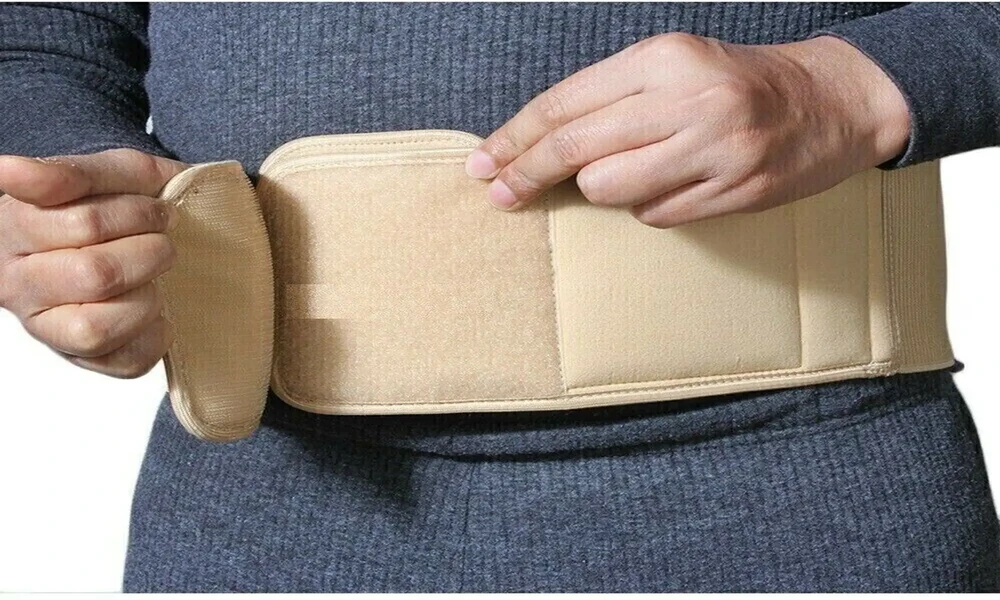
A stomach hernia belt is a supportive medical aid which applies gentle pressure over the hernia site. This pressure provided by the hernia belt for men helps keep the protruding tissue in place for a while and reduces discomfort during normal tasks. Your doctor may also recommend using a hernia support in many situations, such as:
- While waiting for scheduled surgery
- For individuals who are temporarily not fit for surgery
- During recovery after medical evaluation, if advised by a healthcare professional
- For short-term symptom relief during daily activities
This should be cleared that a hernia belt does not heal or close the weakness in the abdominal wall.
Benefits of Using a Hernia Belt
A hernia belt offers several advantages for appropriate patients:
Short term Pain ReliefEnhanced Daily ComfortNon-Invasive OptionUseful Before Surgery
Limitations of a Hernia Belt
Although supportive, a hernia belt has important limitations:
- It does not repair the hernia.
- The symptoms are observed when the belt is removed.
- Long-term use of hernia belt is generally not prescribed.
- An improper fit of the belt can lead to discomfort and skin irritation as well.
- The condition of hernia becomes worse, relying solely on a belt could delay necessary recovery.
What Is Hernia Surgery?
Hernia surgery is a process of surgery that can help correct the weakened or torn abdominal wall. The surgeon returns the protruding tissue to its normal position and reinforces the weakened area using sutures, surgical mesh or both, depending on the type of repair. The most appropriate method depends on the size, location, overall health as well as type of the hernia.
Modern hernia surgery is generally performed as:
- Open surgery
- Laparoscopic surgery
- Robotic-assisted surgery
Some Advantages of Hernia Surgery
Helps provide Support to the Hernia Site
Surgery actually helps in fixing the underlying weakness rather than simply supporting it as stomach hernia belts do.
Relief from Symptoms
Most patients actually face significant improvement in pain, discomfort as well as bulging after surgery.
Prevents Complications
Repairing your hernia reduces the risk of serious health issues that include incarceration and strangulation of the trapped bowel where blood is cut off.
Better Quality of Life
Most of the patients actually return to their routine work and job after completing the recovery period.
What are the Risks of Surgery
Just like any type of surgery, there are potential risks involved with hernia surgery, such as:
- Infection
- Bleeding
- Temporary pain
- Swelling
- Reaction to anesthesia
- Hernia recurrence in some cases
Most hernia surgeries are usually successful. Serious complications are rare when performed by experienced surgical teams.
Hernia Belt vs Surgery: What to Choose
| Feature | Stomach Hernia Belt | Hernia Surgery |
|---|---|---|
| Purpose | Temporary support | Permanent repair |
| Repairs the hernia | No | Yes |
| Pain relief | Temporary | Usually long-term after recovery |
| Hospital stay | Not required | May be outpatient or require a short stay |
| Recovery time | Immediate use | Days to several weeks, depending on the procedure |
| Risk of recurrence | Hernia remains present | Lower after successful repair, though recurrence is still possible |
| Suitable for long-term treatment | No | Yes |
| Prevents complications | No | Significantly reduces future risk |
Who May Benefit from a Hernia Belt?
A doctor may prescribe a hernia belt in case of:
- The surgery has been scheduled, but not done so far.
- Symptoms are mild and require temporary support.
- Temporary symptom management is appropriate under medical supervision.
When Is Surgery the Better Choice?
Surgery is recommended by the doctors in case of:
- The hernia leads to continuous pain.
- The bulge keeps getting bigger.
- Routine tasks become hard to do.
- State issues such as acute pain, skin irritation or sudden swelling.
What Factors Should be Considered Before Selecting?
Severity of the Hernia
Small hernias with light symptoms can initially be monitored. Whereas large or painful hernias usually require surgery.
Overall Health and Age
Medical conditions can affect anesthesia or surgery influence recovery timing, though many people can safely undergo hernia repair after suitable evaluation.
Lifestyle
Individuals working with physical exertion might benefit from a definitive surgical treatment to relieve continuous symptoms and lessen the work-related disruptions.
Medical Advice
All hernia is not the same. Make decisions only after examining the reason by a professional healthcare.
Final Thoughts
The decision of selecting a stomach hernia belt or surgery totally depends on your symptoms, overall health and also the recommendation of your doctor. If you are waiting for surgery or cannot undergo surgery immediately. A hernia belt can just provide support and relief because the abdominal hernia belt does not cure the hernia.
The abdomen wall defect that causes the hernia will be surgically repaired forever, reducing the likelihood of any further problems. See a doctor right away if the condition starts getting worse, a lump appears or any symptoms appear which make it difficult to get on with daily life. Early diagnosis and timely healing results in better outcomes and a sooner return to your routine tasks.