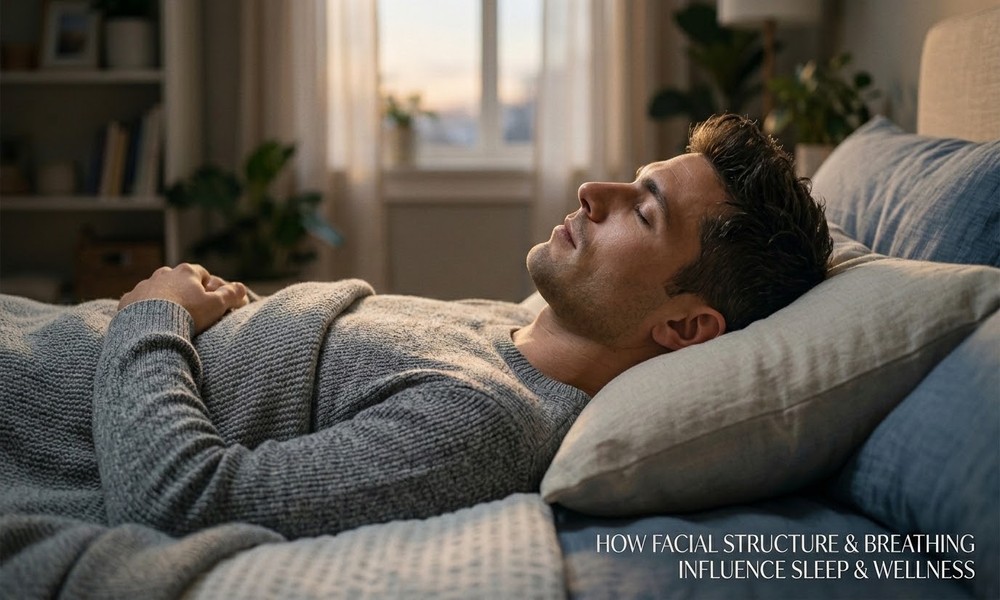
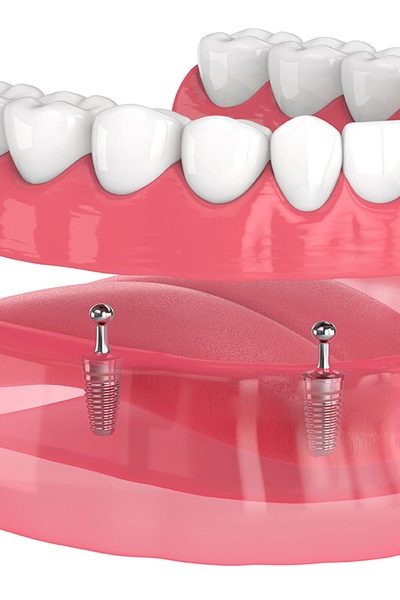
Sleep is often tied to habits: bedtime routines, screen use, caffeine, stress, and room temperature. All of those matter, but they’re only part of the story. The body’s structure, especially the nose, jaw, throat, and upper airway, can also affect how well someone breathes during sleep.When breathing is restricted at night, sleep can become lighter, more fragmented, and less restorative. ...